How to Choose the very best Assisted Living Home for Your Elderly Loved One
Business Name: BeeHive Homes Assisted Living
Address: 2395 H Rd, Grand Junction, CO 81505
Phone: (970) 628-3330
BeeHive Homes Assisted Living
At BeeHive Homes Assisted Living in Grand Junction, CO, we offer senior living and memory care services. Our residents enjoy an intimate facility with a team of expert caregivers who provide personalized care and support that enhances their lives. We focus on keeping residents as independent as possible, while meeting each individuals changing care needs, and host events and activities designed to meet their unique abilities and interests. We also specialize in memory care and respite care services. At BeeHive Homes, our care model is helping to reshape the expectations for senior care. Contact us today to learn more about our senior living home!
2395 H Rd, Grand Junction, CO 81505
Business Hours
Choosing an assisted living home for an older parent or relative is one of those decisions you feel in your stomach. It is financial, medical, psychological, and relational, at one time. Households typically wait up until a fall, a hospitalization, or caregiver burnout requires the issue, then rush to evaluate options rapidly. That is when individuals make compromises they later on regret.
A mindful, methodical method makes a substantial difference. With the right preparation, you can move from unclear fear and regret to a clear understanding of what your loved one needs, what different neighborhoods in fact supply, and how to evaluate quality beyond glossy brochures.
I have actually strolled this course with families who were overwhelmed, upset, and tired, and I have actually seen what helps. The details listed below are useful, not theoretical, drawn from years of dealing with senior care groups, locals, and relatives who desired the very best for the people they love.
Start by understanding what "assisted living" really means
Many families consider assisted living as "a nursing home lite" or merely "a place with aid offered." In truth, it occupies a particular niche in the senior care spectrum.
Assisted living is created for older adults who still have some independence but require constant help with everyday activities. Those activities include bathing, dressing, toileting, moving, consuming, and medication management. Residents typically reside in personal or semi-private apartments and share common locations such as dining rooms, activity areas, and outside courtyards.
Medical care is not as intensive as in an experienced nursing facility. Many assisted living homes have nurses on-site or on call, but they are not set up for people who need round-the-clock medical monitoring, complex wound care, or regular IV treatments. The focus is on support with every day life, safety, social connection, and a structured environment.
You will likewise see marketing terms like "senior living," "retirement home," or "memory care." These can indicate:
- Independent living: for fairly healthy elders who desire social life and convenience however little to no hands-on care.
- Assisted living: for elders requiring assist with everyday jobs but not full nursing care.
- Memory care: protected units or different communities for residents with dementia who require specialized supervision and programming.
- Skilled nursing: medical facilities offering 24/7 nursing care and rehabilitation.
Understanding the distinctions avoids you from exploring a community that looks gorgeous but is not scientifically appropriate, or from overpaying for more medical capacity than your loved one actually needs.
Clarify your loved one's real requirements, not just what they confess to
Most older adults underreport how much aid they need. Pride and worry of "being put away" drive them to say, "I'm fine, I simply require a little aid," even when falls, missed medications, or unsettled bills tell a various story.
Before you look at any particular assisted living home, take a sober stock in 4 areas: physical, cognitive, emotional, and practical.
Physically, note movement, balance, strength, continence, and endurance. Does your loved one usage a walking cane or walker? Can they get out of a chair safely? Do they tire after brief strolls? Have there been falls, even inexplicable ones? Falls are frequently the genuine tipping point for requiring assisted living, even if the individual can still bathe and dress separately most days.
Cognitively, pay attention to memory, judgment, and orientation. Individuals with early dementia may sound sharp in other words conversations but battle with multi-step jobs like handling medications or finances. Have you noticed repeated stories, forgotten consultations, or food spoiling on the counter? Did they ever get lost on a familiar path? Moderate cognitive decline does not automatically require memory care, however it affects which assisted living set-up will be safe.
Emotionally and socially, consider state of mind, seclusion, and coping. Anxiety in older adults is often masked as "decreasing." If your loved one rarely leaves home, avoids activities they when took pleasure in, or calls you assisted living grand junction co multiple times a day out of isolation, they might gain from a community with strong social programs. Conversely, a very shy individual may feel overwhelmed in a big, hectic structure and do much better in a smaller, quieter home-like setting.
On the useful side, evaluate what you or other caretakers are currently doing. Who manages medications, drives to consultations, look for groceries, cleans up, cooks, and does laundry? Make a list on your own, even if you never reveal it to anybody. That list becomes your baseline to compare with what each assisted living community reasonably provides.
Families that avoid this self-assessment typically tour based upon look and area alone. They may fall for a facility that has lovely gardens, only to find later on that it can not handle heavier care requirements when those requirements inevitably arise.
An easy structure for narrowing options
It assists to filter deep space of senior care options into a manageable shortlist before you start visiting. Here is a succinct framework numerous families discover helpful:
- Define care level: Match your loved one's health, movement, and cognition to the best level of care: independent living, assisted living, assisted living with memory care, or proficient nursing.
- Set a reasonable budget plan: Include regular monthly fees, expected increases with time, and any "levels of care" additional charges. Do not forget to factor in existing costs that will disappear, such as energies, home maintenance, and groceries.
- Choose a geographic radius: Choose how close the home needs to be to family, medical suppliers, and familiar neighborhoods. More frequent visits generally matter more than a prestigious zip code.
- Consider neighborhood size and culture: Assess your loved one's character. Would they prosper in a bustling 150-unit building with a packed activities calendar, or a 20-resident board-and-care home that seems like a big shared house?
- Screen for deal-breakers: Family pet policies, smoking rules, religious association, language assistance, and the ability to age in place are all factors to remove a community from your list before setting foot inside.
Once you go through these filters, you frequently go from a long, frustrating list of options to three to five practical candidates. That number is a lot easier to examine thoroughly.
What to pay attention to when you tour
Brochures and sites show you décor, facilities, and smiling locals. A tour shows you how the place works when no one is seeing. When I visit a brand-new assisted living neighborhood, there are several things I focus on before I even sit down with the marketing director.
Walk gradually through the lobby, typical areas, and halls. Look at homeowners' faces. Are individuals engaged and engaging, or dropped in chairs facing a television? Mixed moods are typical, however if the majority of residents look withdrawn or unattended for long stretches, that informs you something.
Notice smells, however do not overreact to a single incident. A brief smell near a room may simply imply personnel is in the procedure of altering someone. A heavy, continuous smell of urine or strong cleaning chemicals in common areas signals persistent understaffing or bad housekeeping routines.
Watch personnel habits. Are they walking quickly yet calmly, or rushing previous citizens without eye contact? Do you hear staff speaking respectfully, using names and discussing what they are doing? Or are there raised voices, impatience, or a great deal of "darling" and "honey" in place of real names? Culture displays in these small moments.
If you can, ask to see the dining room throughout a meal rather than at 3:00 p.m. When it is empty and spotless. How is the food served? Exist choices, and do residents get assist if they appear confused or physically restricted? Is anyone sitting alone who appears like they would prefer business? Mealtimes are main to mood and nutrition in elderly care, and you can discover more in thirty minutes there than in an hour of sales talk.
Finally, observe security and security with the exact same critical eye. Are exits clearly marked and alarmed if required, especially in memory care locations? Are handrails and get bars put where you would anticipate? Exist cluttered hallways that might cause falls? You do not require to be a building inspector to get a strong gut sense of whether safety is taken seriously.
Staffing: the heart of quality senior care
Buildings do not provide care, people do. The most lovely assisted living facility on paper can fail your loved one if staffing is too thin or too unstable.
There are 3 elements to analyze: staffing ratios, personnel training, and turnover.
Staffing ratios in assisted living are not regulated as firmly as in healthcare facilities or nursing homes, and numbers on a page can be misleading. A community may claim a "1 to 8" ratio, but that may include housekeeping or administrative personnel during specific shifts. Ask particularly the number of direct care staff are on responsibility during days, nights, and nights, and the number of residents they cover. A graveyard shift with one caretaker for 30 residents who require help to the restroom is a recipe for falls and accidents.
Training matters just as much. Qualified nursing assistants (CNAs), individual care aides, and med techs need to all receive regular training on dementia communication, safe transfers, infection control, and emergency action. Do not be afraid to ask how brand-new staff are oriented and how frequently they get refresher training. A neighborhood that invests in training generally has much better outcomes and less crises.
Turnover provides you a sense of culture and stability. Every center has some personnel turnover, especially in lower-wage roles. What you wish to see is a core of long-time staff members who know homeowners by history, not just by space number. If the director of nursing and the administrator have both altered three times in 2 years, consider that a caution sign.
Families often ignore how reliant their loved ones will end up being on a few key team member. Familiar caretakers can soothe agitation, notice subtle modifications in health, and supporter for locals in manner ins which no policy handbook can replicate.
Using respite care and trial remains to decrease risk
Many assisted living neighborhoods provide respite care, suggesting short-term stays that last from a couple of days to a couple of weeks. These are vital when you doubt whether your loved one is prepared for a move, or when you need a safe location while recuperating from caretaker burnout or a hospitalization.
Think of respite care as a test drive. Your loved one can experience the regimens, food, and social environment without the mental weight of "I live here now." You acquire real data on how the personnel responds to their specific quirks and needs.
For example, I once worked with a household whose father constantly insisted he did not require aid, then secretly called next-door neighbors at all hours. He grudgingly agreed to "two weeks of respite while my child takes a trip for work." By day 5 he was playing cards every afternoon and sleeping through the night. The family and staff might then talk about a long-term relocation based upon his real experience, not speculation.
Not every respite stay is a best fit, and that is info too. If your loved one returns home miserable and you discover the problems match what you observed: bland food, stiff schedules, personnel who appeared hurried, then you know that specific neighborhood is not right. Much better to learn that in two weeks than after selling a house and signing a long lease.
Reading the agreement and comprehending the money
Financial structure is where numerous families get undesirable surprises. Assisted living pricing can look straightforward on the surface area, yet be complicated underneath.
Most neighborhoods have a base month-to-month rate that covers housing, basic energies, some housekeeping, and basic meals. On top of that come "levels of care" or "service plans" based on just how much help your loved one needs. Every support job, from medication administration to escorts to the dining room, can be connected to a point or tier system.
Ask for a written breakdown of just what is consisted of in the base rate, and what sets off additional charges. If your loved one presently needs assist with a couple of everyday activities, ask what the approximated cost will be if they later on require assist with 4 or five. Their needs will usually increase over time.
Pay attention to:
- Rate increase history over the last 5 years.
- Policies on holding a room throughout a health center stay.
- Refund terms for deposit or community fees.
- Charges for transportation, incontinence products, and additional housekeeping.
Funding sources matter too. Long-term care insurance coverage might repay part of the cost, however just if the policy's requirements are satisfied and the community documents care appropriately. Some states offer Medicaid waivers for assisted living, but not all centers accept them, and spots are limited. Veterans may have access to Aid and Participation benefits that can assist offset senior care expenses.
The time to sort out these information is before a crisis, not after an abrupt stroke or a broken hip. Households who share clear eyes and a cushion for future requirements manage shifts with far less stress.
Matching culture and activities to the individual, not the brochure
Activities calendars in assisted living sales brochures typically look remarkable: yoga, art classes, live music, getaways, discussion groups. The concern is not how many items appear on the list, however how well they fit your loved one.
If your mother has actually never taken pleasure in group crafts, she will not all of a sudden welcome them since they happen in a nice activity space. If your father illuminate when speaking about history or gardening, you desire a community that provides real outlets for those interests, not just bingo 3 times a week.
During your tour, ask to see locals during an activity, not simply a schedule on paper. Are people genuinely engaged, or do they appear like they are participating in because there is absolutely nothing else to do? Are quieter options readily available for those who do not like loud group occasions? Are there choices on nights and weekends, when solitude can intensify?
Spiritual and cultural fit likewise matter. Some communities have strong spiritual identities, with routine services or pastoral care. Others are more nonreligious. Language and food culture can be crucial for citizens from diverse backgrounds. A community that appreciates and shows your loved one's identity supports dignity and psychological health in ways that are tough to measure however simple to feel.
Family involvement and communication
No matter how excellent an assisted living home is, family stays part of the care team. The healthiest situations I have seen are partnerships, where staff, citizens, and relatives interact honestly and often.
Ask how the community keeps families informed. Do they call you only when something goes wrong, or do they proactively share updates? Is there a designated point individual, such as a care coordinator or nurse, whom you can reach when you have concerns? Are care plan conferences set up frequently, and can you join by phone or video if you live far away?
Clarify expectations about visits. Some neighborhoods encourage households to sign up with meals, outings, or activities. Others are more hands-off. If you prepare to remain heavily involved with bathing, meals, or transport, discuss this honestly. Assisted living homes need accurate assumptions about what your loved one will get from family, both so they can prepare staffing and to avoid misunderstandings later.
When communication breaks down, small issues like a lost sweatshirt or a small medication modification can wear down trust quickly. Neighborhoods that invite questions and react without defensiveness tend to deal with larger challenges better.
Red flags that deserve your attention
Not every flaw is a deal-breaker. A somewhat outdated carpet or restricted parking might be frustrating but bearable. Other indication ought to trigger major pause.
Be careful if you see regular call lights going unanswered for extended periods, residents calling out for help without action, or staff who appear irritated or dismissive when residents are confused. Remember if you ask particular questions about staffing, care procedures, or event reporting and get vague, scripted responses instead of concrete information.
High administrative turnover, nontransparent monetary practices, or hesitation to share state examination reports are also worrying. Every center has citations and hiccups, but how leadership discuss past problems tells you whether they learn and improve or just patch and relocation on.
Trust your impulses. Households typically observe an undercurrent of tension, neglect, or lack of organization that they can not right away articulate. When you leave a tour feeling anxious, listen to that feeling and examine further.
Key questions to ask on every tour
To keep your visits focused and comparable, it assists to use a consistent set of questions. You can adapt the phrasing, however the core topics ought to not be skipped:
- How do you assess a new resident's needs, and how frequently are those care plans updated?
- What is your typical staff-to-resident ratio on day, evening, and graveyard shift, particularly for hands-on caregivers?
- What occurs if my loved one's needs increase? Can they remain here, and how are additional expenses calculated?
- How do you handle medical emergency situations, medical facility transfers, and interaction with households during those events?
- Can you share current state assessment results or any substantial shortages, and how you resolved them?
Write down the responses as soon as you leave, while information are fresh. After touring a number of locations, those notes will assist you cut through the blur of quite lobbies and similar-sounding promises.
Helping your loved one accept the move
Even when you find an outstanding assisted living home, the emotional piece remains. Older grownups seldom say, "I can not wait to leave my home and move into assisted living." They may fear losing autonomy, pals, and familiar routines. Some likewise carry stigma from earlier periods when institutional care meant plain, hospital-like nursing homes.
Start discussions early, preferably before a crisis. Frame assisted living as a way to preserve independence securely, not as a penalty or a last chapter. For example, "If you remain in a location with staff around, you can keep taking strolls and mingling without us hovering in concern."
Involve your loved one in choices whenever possible. That might indicate letting them pick between two neighborhoods you have actually already vetted, choosing their own room decoration, or deciding which familiar personal belongings to bring. Even small decisions can restore a sense of agency.
Expect uncertainty and some pushback. I have seen individuals who were upset and withdrawn for the very first two weeks gradually adjust when they understood they were not losing their household, just their unsafe seclusion. Frequent visits at the beginning help, as does preserving outside relationships and routines when possible, such as going to the same church or hosting family suppers on-site.
If your loved one has cognitive impairment, choices may eventually rest with you or another legal proxy. In those cases, concentrate on what you understand of their long-standing worths. Did they always say, "I never ever want to wind up in a nursing home"? That does not immediately indicate they would oppose assisted living, which can feel really various. Translate their desires due to current reality and safety.
The first months: what to view and when to adjust
The transition duration after moving into assisted living is critical. Locals and families require time to adjust to brand-new routines, people, and expectations. At the same time, this is when you are more than likely to discover mismatches between what was guaranteed and what is delivered.
In the very first 30 to 90 days, take notice of:
Energy and state of mind. Some initial fatigue is regular as your loved one adjusts to more stimulation, however persistent withdrawal, weight-loss, or agitation deserve attention. Ask personnel what they are seeing and whether adjustments to activities, roomies, or care regimens might help.
Care follow-through. Are the services recorded in the care plan really occurring? For instance, if your mother was supposed to receive assist with showers three times a week, does she feel clean and comfy, or is she still scared of falling in the bathroom?
Communication patterns. Are staff connecting to you appropriately when there are changes in condition, medication, or habits? Do your calls get returned? Early patterns typically predict long-term experience.
If something feels off, address it early and specifically. A lot of assisted living homes prefer to remedy issues rapidly rather than let dissatisfaction simmer into bitterness and talk of leaving. Sometimes a small change, such as changing medication times or seating arrangements at meals, substantially enhances quality of life.
In rare cases, you may realize that a neighborhood merely is not the right fit. When that occurs, do not see the move as a failure. You found out important details about what your loved one genuinely requires and what they are sensitive to. Usage that insight to pick more wisely the second time.
Choosing an assisted living home is not about discovering perfection. It is about finding a location where your loved one can be safe, supported, and referred to as an individual, not a room number. If you make the effort to comprehend their requirements, ask clear questions, observe thoroughly, and trust both proof and instinct, you provide and yourself something precious: the chance to move into this brand-new season of elderly care with less worry and more confidence.
BeeHive Homes Assisted Living provides assisted living care
BeeHive Homes Assisted Living provides memory care services
BeeHive Homes Assisted Living provides respite care services
BeeHive Homes Assisted Living offers 24-hour support from professional caregivers
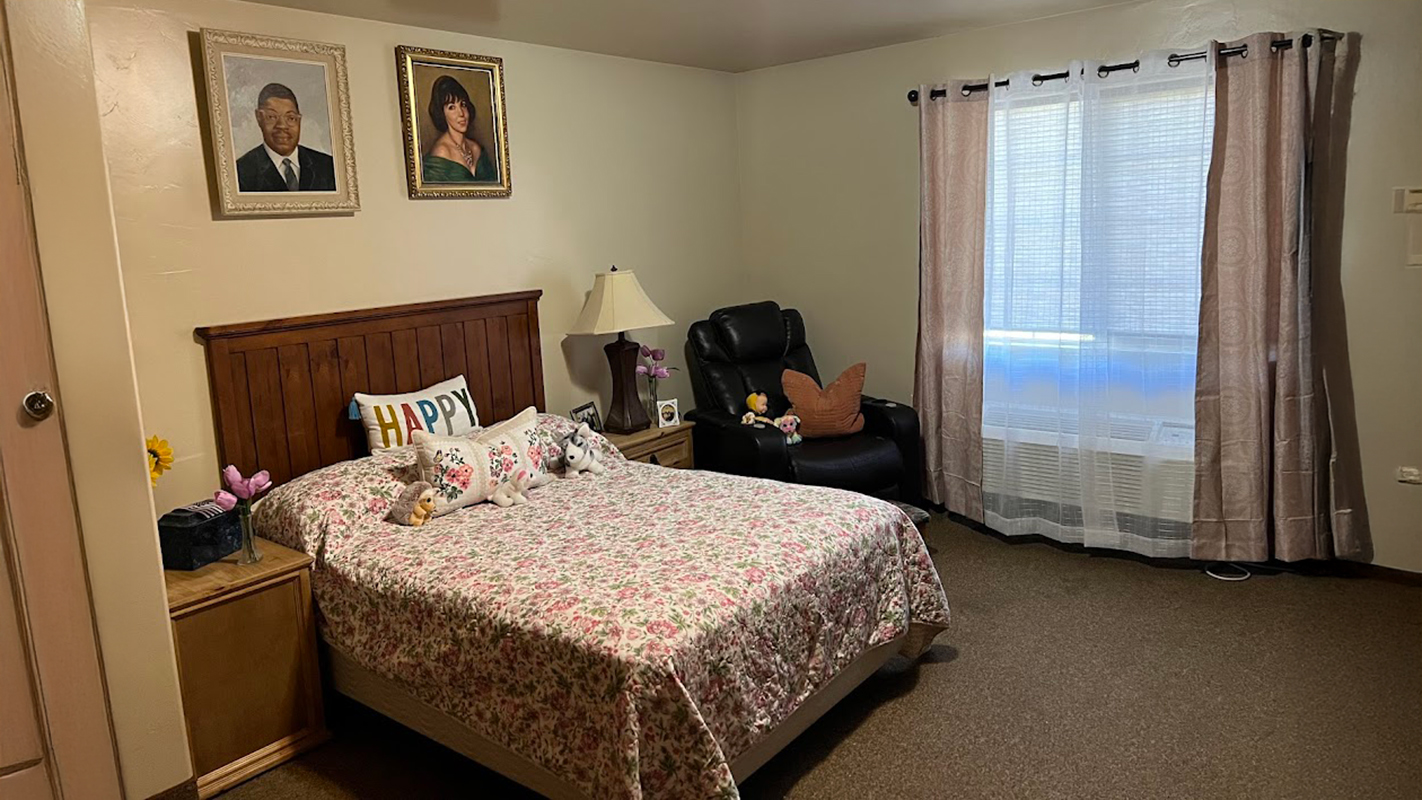
BeeHive Homes Assisted Living offers private bedrooms with private bathrooms
BeeHive Homes Assisted Living provides medication monitoring and documentation
BeeHive Homes Assisted Living serves dietitian-approved meals
BeeHive Homes Assisted Living provides housekeeping services
BeeHive Homes Assisted Living provides laundry services
BeeHive Homes Assisted Living offers community dining and social engagement activities
BeeHive Homes Assisted Living features life enrichment activities
BeeHive Homes Assisted Living supports personal care assistance during meals and daily routines
BeeHive Homes Assisted Living promotes frequent physical and mental exercise opportunities
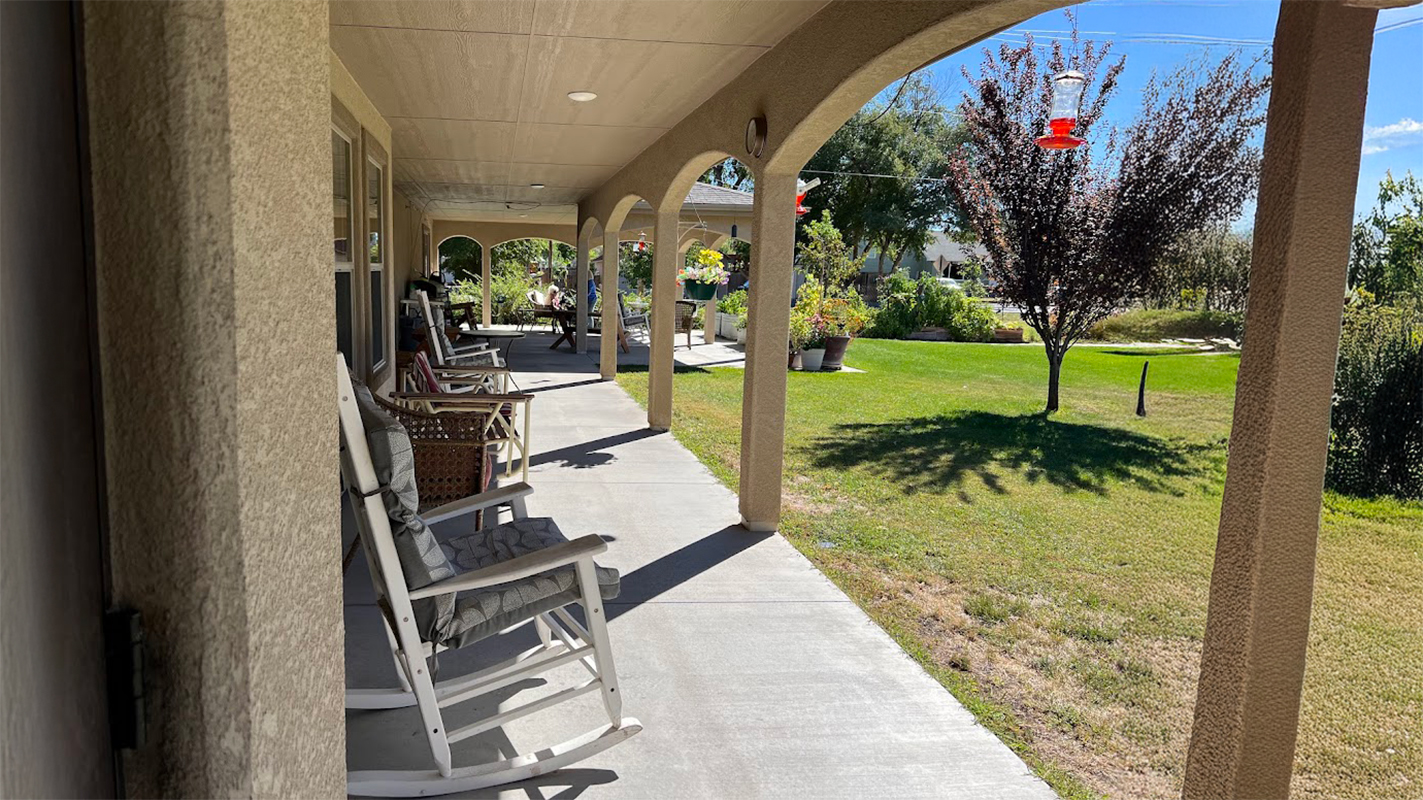
BeeHive Homes Assisted Living provides a home-like residential environment
BeeHive Homes Assisted Living creates customized care plans as residents’ needs change
BeeHive Homes Assisted Living assesses individual resident care needs
BeeHive Homes Assisted Living accepts private pay and long-term care insurance
BeeHive Homes Assisted Living assists qualified veterans with Aid and Attendance benefits
BeeHive Homes Assisted Living encourages meaningful resident-to-staff relationships
BeeHive Homes Assisted Living delivers compassionate, attentive senior care focused on dignity and comfort
BeeHive Homes Assisted Living has a phone number of (970) 628-3330
BeeHive Homes Assisted Living has an address of 2395 H Rd, Grand Junction, CO 81505
BeeHive Homes Assisted Living has a website https://beehivehomes.com/locations/grand-junction/
BeeHive Homes Assisted Living has Google Maps listing https://maps.app.goo.gl/RUQvVGqDERBajnuR8
BeeHive Homes Assisted Living has Facebook page https://www.facebook.com/BeeHiveHomesOfGrandJunction/
BeeHive Homes Assisted Living won Top Assisted Living Homes 2025
BeeHive Homes Assisted Living earned Best Customer Service Award 2024
BeeHive Homes Assisted Living placed 1st for Senior Living Communities 2025
People Also Ask about BeeHive Homes Assisted Living
What is BeeHive Homes Assisted Living of Grand Junction monthly room rate?
At BeeHive Homes, we understand that each resident is unique. That is why we do a personalized evaluation for each resident to determine their level of care and support needed. During this evaluation, we will assess a residents current health to see how we can best meet their needs and we will continue to adjust and update their plan of care regularly based on their evolving needs
What type of services are provided to residents in BeeHive Homes in Grand Junction, CO?
Our team of compassionate caregivers support our residents with a wide range of activities of daily living. Depending on the unique needs, preferences and abilities of each resident, our caregivers and ready and able to help our beloved residents with showering, dressing, grooming, housekeeping, dining and more
Can we tour the BeeHive Homes of Grand Junction facility?
We would love to show you around our home and for you to see first-hand why our residents love living at BeeHive Homes. For an in-person tour , please call us today. We look forward to meeting you
What’s the difference between assisted living and respite care?
Assisted living is a long-term senior care option, providing daily support like meals, personal care, and medication assistance in a homelike setting. Respite care is short-term, offering the same services and comforts but for a temporary stay. It’s ideal for family caregivers who need a break or seniors recovering from surgery or illness.
Is BeeHive Homes of Grand Junction the right home for my loved one?
BeeHive Homes of Grand Junction is designed for seniors who value independence but need help with daily activities. With just 30 private rooms across two homes, we provide personalized attention in a smaller, family-style environment. Families appreciate our high caregiver-to-resident ratio, compassionate memory care, and the peace of mind that comes from knowing their loved one is safe and cared for
Where is BeeHive Homes Assisted Living of Grand Junction located?
BeeHive Homes Assisted Living of Grand Junction is conveniently located at 2395 H Rd, Grand Junction, CO 81505. You can easily find directions on Google Maps or call at (970) 628-3330 Monday through Sunday Open 24 hours
How can I contact BeeHive Homes Assisted Living of Grand Junction?
You can contact BeeHive Homes Assisted Living of Grand Junction by phone at: (970) 628-3330, visit their website at https://beehivehomes.com/locations/grand-junction, or connect on social media via Facebook
Take a short drive to Handlebar Tap House The Handlebar Tap House provides a casual, comfortable dining option that works well for assisted living, elderly care, and respite care family meals.